Air Compressor Pressure Reduction Savings Calculator
This calculator shows how much electricity and money you save each year by running your air compressor at a lower discharge pressure. Most shops run their compressor well above what the tools actually need, and every extra PSI costs power. The US Department of Energy's compressed air sourcebook gives a rule of thumb for systems around 100 PSI: each 2 PSI of extra pressure adds about 1% to energy use. The calculator works the figure out properly instead, from the compression work at your two pressures. It can also add the smaller flow lost through leaks and unregulated blow-offs once the pressure comes down.
Compressor pressure savings
How the calculation works
The power a compressor needs depends on how hard it squeezes the air, which is the ratio of absolute discharge pressure to absolute inlet pressure. The calculator uses the standard adiabatic compression work formula for air (k = 1.4). It finds the work per cubic foot at your current and proposed pressures, split equally across the stages for a two-stage machine. The ratio between the two results is the saving on the compression side. Absolute pressure is your gauge reading plus atmospheric pressure, and atmospheric pressure is worked out from your elevation using the standard atmosphere model.
Leaks and open blow-offs, such as an air nozzle with no regulator, pass more air at higher pressure. Flow through a fixed hole is roughly proportional to the absolute pressure behind it. If you enter a share for unregulated demand, the calculator cuts that part of the flow by the drop in absolute pressure. Tools behind a regulator use the same air either way, so they are left unchanged.
Annual energy is the motor horsepower converted to kilowatts (1 HP = 0.746 kW), divided by motor efficiency, multiplied by average load and running hours. The saving is that figure multiplied by the percentage reduction.
Before you turn the pressure down
- Find the tool that needs the most pressure. Most air tools are rated at 90 PSI at the inlet. Measure at the tool while it is running, not at the tank, because hoses, filters and quick couplers all take some pressure.
- Fix pressure drop first. Shops often run the tank high to make up for a clogged filter or an undersized hose. Our hose pressure drop calculator and pipe size calculator show where pressure is being lost.
- Lower it in steps. Drop 5 PSI, run a normal week and watch for slow tools before you go lower. Our guide to adjusting a pressure switch covers the cut-in and cut-out settings.
- Leave the safety valve alone. Lowering the operating pressure never calls for changing the relief valve setting.
To see what leaks cost you in total, rather than only the share that a lower pressure recovers, use the compressed air leak cost calculator. For the full running bill, try the running cost calculator.
More from Air Compressor Mag
Best Portable Air Compressors: Picks by Job (2026)
Real portable air compressor picks by job, from tire inflation to framing, with the CFM at 90 PSI, tank size, and noise specs that actually decide it.
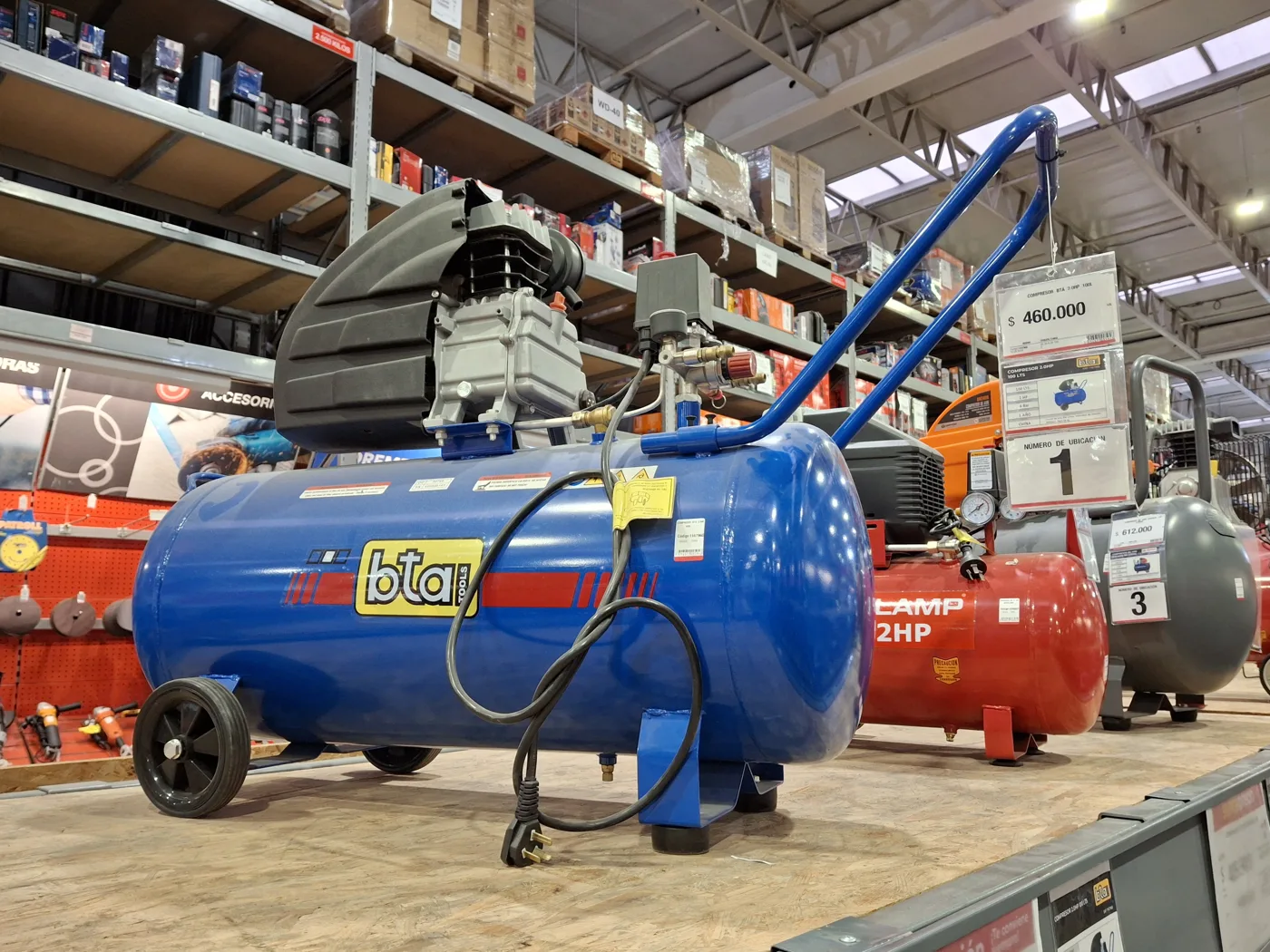
CFM Explained: How to Choose a High CFM Air Compressor for Your Tools
How to read CFM ratings and pick a high CFM air compressor: the 90 PSI standard, SCFM, a tool chart, and when you need 10, 20 or 50 CFM.
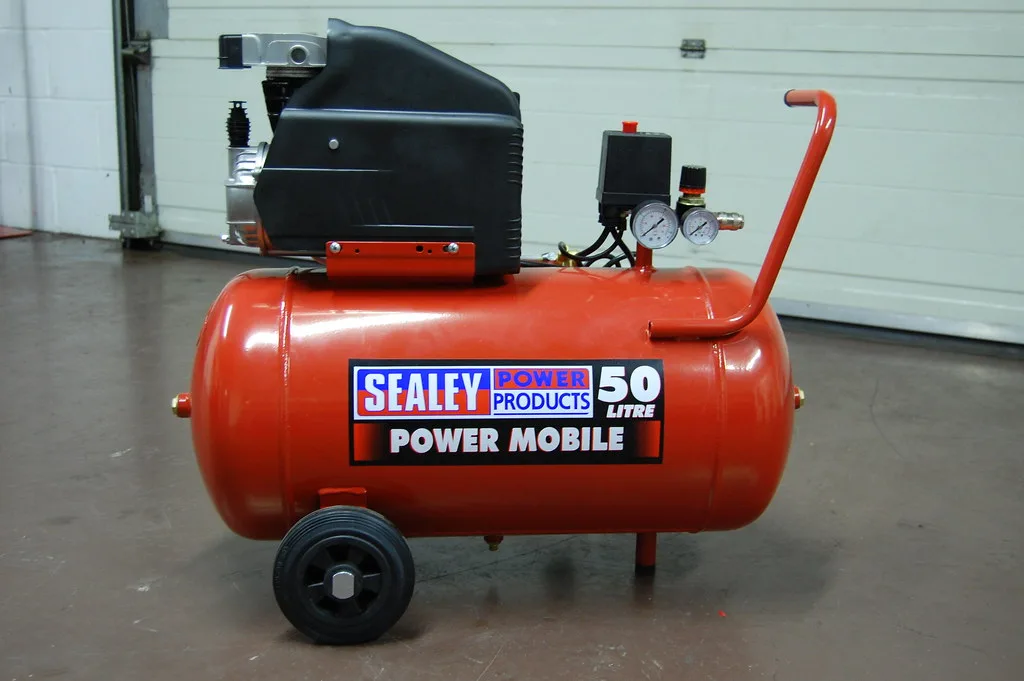
Best 30 Gallon Air Compressors for Workshops
The best 30 gallon air compressor picks for a home workshop, compared on CFM, max PSI, single-stage pumps and 120V wiring so you match the unit to your tools.